

Introduction:
Diesel generators play a crucial role in providing backup power during emergencies or in areas where electricity supply is unreliable. While these generators are highly efficient and dependable, it is equally important to prioritize safety measures to mitigate potential risks. This article aims to provide a comprehensive analysis of safety considerations for diesel generators, highlighting key aspects that need to be addressed to ensure safe operation and minimize hazards.
1. Understanding the Diesel Generator System:
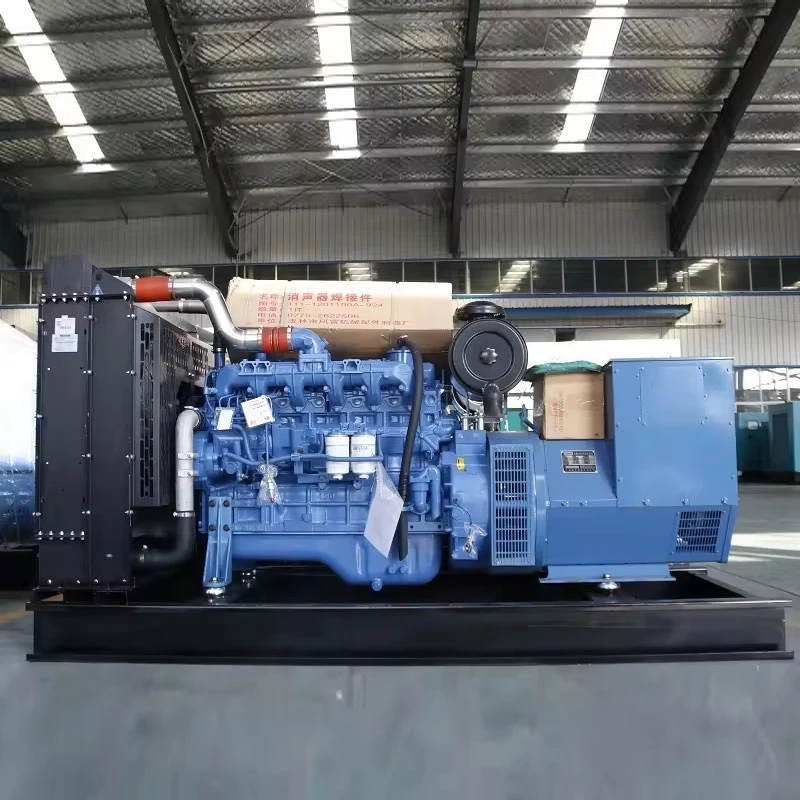
Before delving into safety analysis, it is essential to have a basic understanding of the diesel generator system. A diesel generator comprises four main components: the engine, generator, fuel system, and control panel. Each component has its own set of safety considerations, which we will explore further.
2. Location and Installation:
The location and installation of a diesel generator are critical factors in ensuring safety. Generators should be placed in well-ventilated areas, away from flammable materials, and with sufficient space for maintenance. Adequate clearance around the generator should be maintained to prevent overheating. Additionally, a proper ventilation system should be in place to ensure the dispersion of exhaust gases.
3. Fuel Safety Measures:
Diesel fuel is highly flammable, making fuel safety measures a top priority. Proper storage and handling of diesel fuel are crucial to prevent accidents. Fuel tanks should be placed in designated areas, away from potential ignition sources, and properly grounded. Adequate spill containment measures, such as secondary containment systems, should be in place to mitigate the risk of fuel leaks or spills.
4. Fire Safety and Prevention:
Fire safety is paramount when dealing with diesel generators. Regular inspection and testing of fire suppression systems, such as fire extinguishers and automatic sprinkler systems, should be conducted. Adequate training on fire response procedures should also be provided to personnel responsible for operating and maintaining the generator.
5. Electrical Safety:
Electrical hazards pose a significant risk when working with diesel generators. Proper grounding of the generator and electrical connections is vital to prevent electric shocks. Regular inspection of cables, connectors, and wiring systems should be carried out to identify any potential issues and ensure their integrity.
6. Exhaust System and Emissions:
The exhaust system of a diesel generator requires special attention due to the emission of toxic gases, such as carbon monoxide. To mitigate this risk, exhaust systems should be properly designed, installed, and regularly inspected. Adequate ventilation and exhaust gas dispersion systems should be in place to prevent the accumulation of harmful gases in enclosed spaces.
7. Noise Control:
Diesel generators can generate high levels of noise, which can be harmful to both personnel and the environment. Implementing noise control measures, such as acoustic enclosures or barriers, can help reduce noise levels to acceptable limits. Regular maintenance of the generator and its components can also minimize noise emissions.
8. Maintenance and Testing:
Regular maintenance and testing are essential for ensuring the safe and reliable operation of diesel generators. Routine inspections, lubrication, and servicing of components should be carried out as per manufacturer guidelines. Regular load testing and exercising of the generator can help identify potential issues and ensure its readiness during emergencies.
9. Training and Emergency Preparedness:
Proper training and emergency preparedness are vital for personnel who operate and maintain diesel generators. Training programs should cover safety protocols, emergency shutdown procedures, and precautions specific to diesel generators. Regular drills and exercises should be conducted to ensure that personnel are well-prepared to handle any emergencies.
10. Compliance with Regulations and Standards:
Adherence to relevant regulations and standards is crucial to ensure the safety of diesel generators. How to maintain a 400kW generator and international standards, such as those set by regulatory bodies, should be followed during installation, operation, and maintenance. Regular audits and inspections can help verify compliance and identify areas for improvement.
https://www.lkpowerplant.com :
Diesel generators are indispensable for providing backup power, but their safe operation should always be prioritized. By considering the various safety aspects discussed in this article, stakeholders can ensure the reliable and secure operation of diesel generators while minimizing potential risks. Implementing proper installation, maintenance, training, and adherence to regulations will help create a safe environment for the use of diesel generators, promoting both operational efficiency and the well-being of personnel.